


Artisan Jams and Natural Honey
A selection of artisan jams and natural honey, made with carefully selected ingredients and crafted with care. Authentic flavours that are perfect for breakfast, as an accompaniment to cheese, or to enhance cakes and desserts.
Filtri
Showing all 7 resultsSorted by latest
-
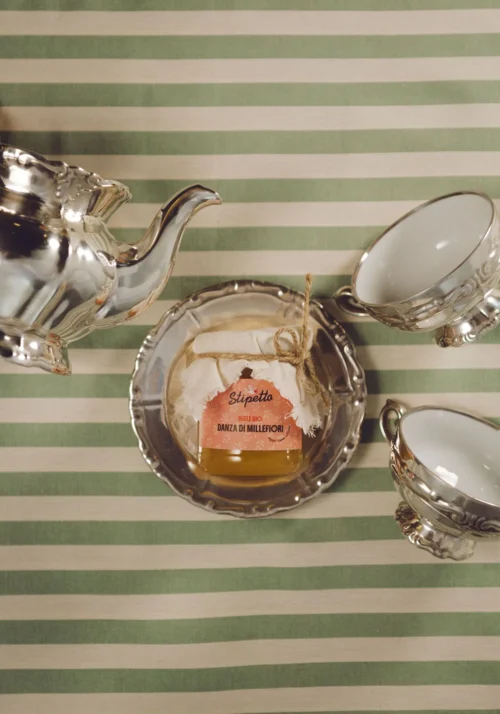
Organic Sicilian Wildflower Honey – Danza di Millefiori - 250 gr
9,20 € -
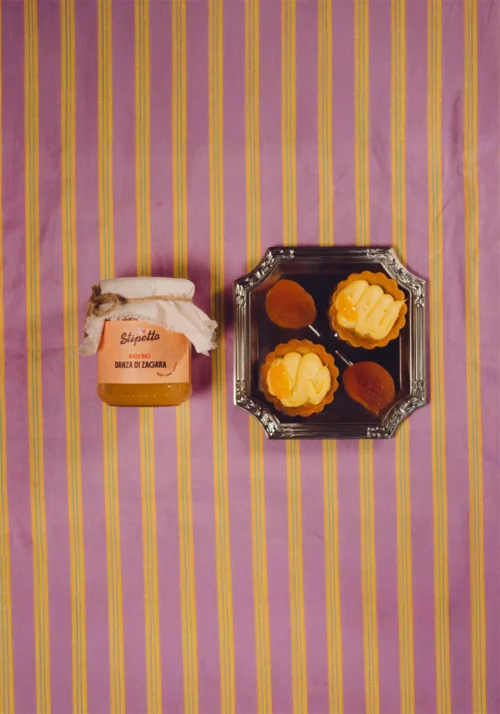
Organic Sicilian Orange Blossom Honey – Danza di Zagara - 250 gr
9,20 € -
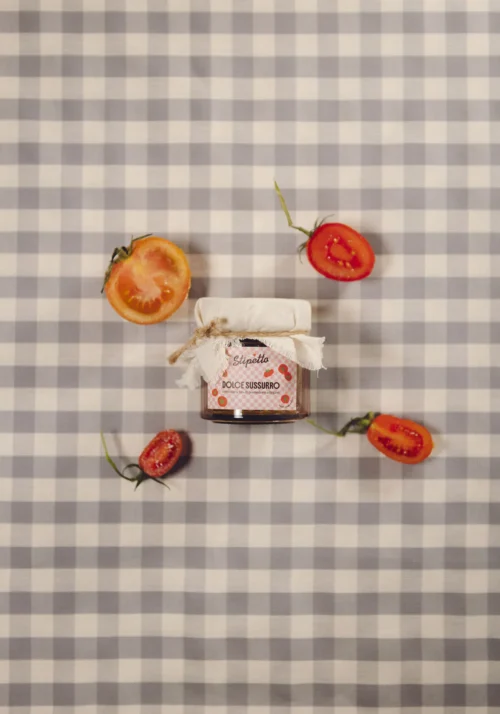
Organic Sicilian Cherry Tomato Jam – Dolce Sussurro - 265 gr
8,20 € -
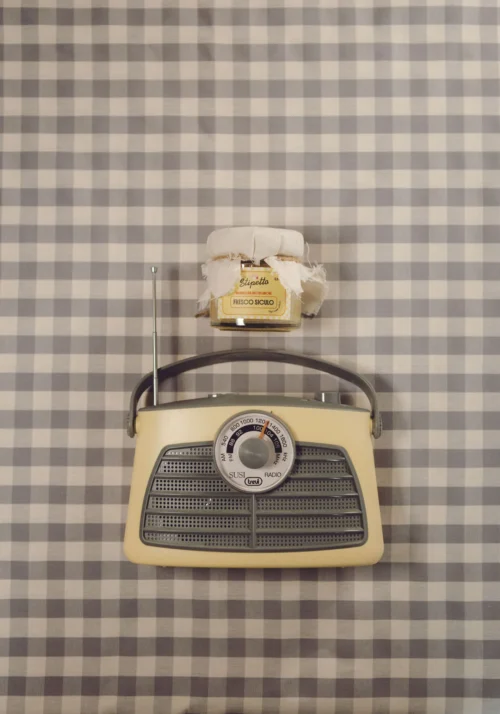
Artisanal Sicilian Lemon Jam – Fresco Siculo - 260 gr
8,20 € -
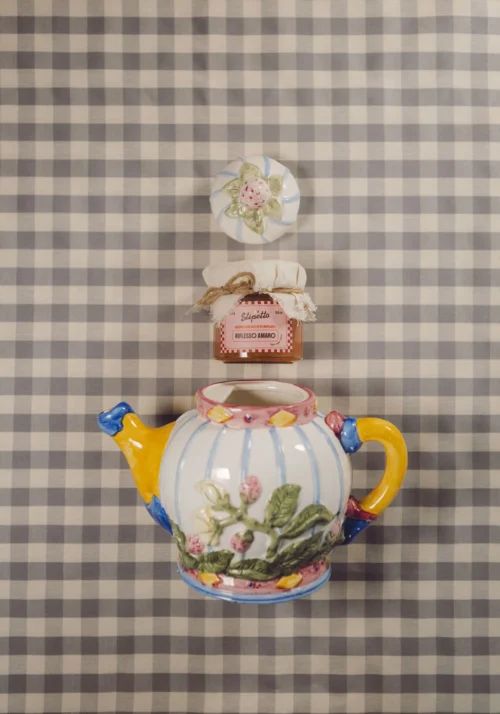
Artisanal Grapefruit Jam - Riflesso Amaro - 255 gr
8,20 € -
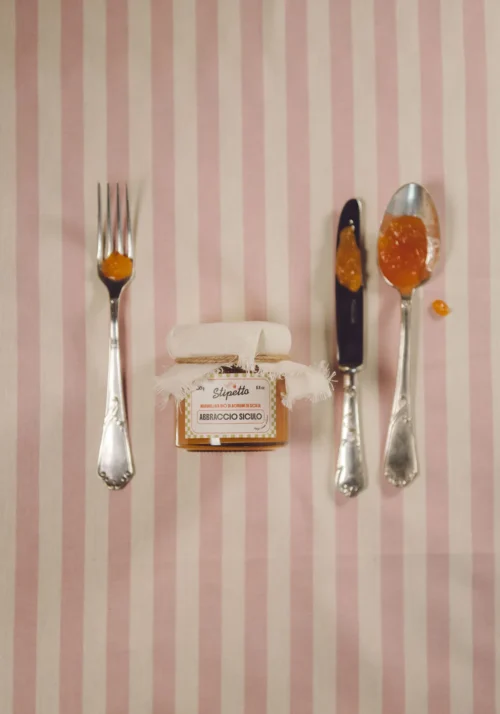
Artisanal Sicilian Citrus Jam - Abbraccio Siculo - 230 gr
8,20 € -
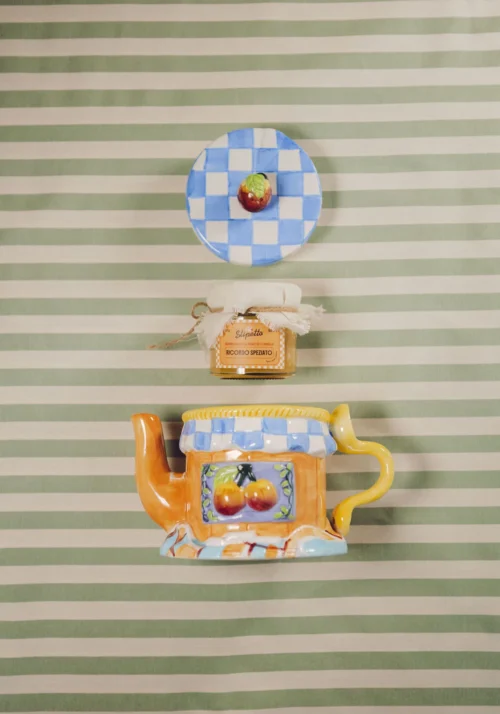
Artisanal Orange and Cinnamon Jam - Ricordo Speziato - 250 gr
8,20 €
Jams and honey: authentic traditional flavours
Artisan jams and natural honey are among the most popular products of the Mediterranean culinary tradition. Made with simple ingredients and crafted with care, these products capture the authentic flavour of the fruit and flowers from which they are made.
Artisan jams are generally made using carefully selected fruit that is cooked slowly to preserve its aroma, colour and texture. This method results in a product bursting with flavour, ideal for breakfast, as a filling for cakes or as an accompaniment to cheese.
Natural honey, on the other hand, is a valuable food produced by bees from flower nectar. Thanks to its natural composition and abundance of beneficial substances, honey has always been valued both as a natural sweetener and as an ingredient in many recipes.
The difference between marmalade and jam
The terms ‘marmalade’ and ‘jam’ are often used interchangeably, but there is a difference. According to European regulations, marmalade is made exclusively from citrus fruits such as oranges, lemons or mandarins. Products made from other types of fruit are, on the other hand, referred to as jams.
Both products are made by cooking fruit with sugar, but in artisanal production methods, a higher proportion of fruit is typically retained to bring out the natural flavour of the ingredients.
How to use jams and honey in cooking
Artisan jams and honey are extremely versatile ingredients. As well as the classic breakfast spread on bread or rusks, they can be used in many different ways.
They're perfect for:
- accompany fresh or mature cheeses
- fill tarts and homemade cakes
- enhance yoghurt and desserts
- make sweet-and-sour sauces for savoury dishes
Honey, in particular, can also be used as a natural alternative to sugar for sweetening drinks or desserts.
Why choose artisan products?
Choosing artisan jams and honey means bringing to the table products made with a focus on the quality of the ingredients and the production methods.
Artisanal products often use fresh seasonal fruit and natural ingredients, avoiding overly invasive industrial processes. The result is a product that better preserves its aroma, texture and authentic flavour.
Jams and honey are therefore not just food, but also a way to rediscover the authentic flavours of tradition and to support the work of small-scale producers and regions rich in biodiversity.
Frequently asked questions about jams and honey
What is the difference between marmalade and jam?
Jam is made exclusively from citrus fruits such as oranges, lemons or mandarins. Products made from other types of fruit are known as preserves. Both are made by cooking fruit with sugar, but in artisanal production, a greater quantity of fruit is often used to bring out the natural flavour.
Do artisan jams contain preservatives?
High-quality artisan jams generally do not contain artificial preservatives. They are preserved by cooking the fruit with sugar and through a proper pasteurisation process, which ensures the product remains safe and natural.
Does natural honey crystallise?
Yes, crystallisation is a natural process that occurs in honey and does not indicate a fault with the product. Some honeys crystallise more quickly, depending on their sugar composition and the type of flower from which they are derived. To return it to a liquid state, simply warm it gently in a bain-marie.
How should you store jams and honey?
Jams and honey should be stored in a cool, dry place, away from heat sources and direct light. Once opened, it is advisable to keep jams in the fridge to preserve their quality.
How can you use jams and honey in cooking?
As well as for breakfast, jams and honey can be used in a wide variety of dishes. They are perfect for serving with cheese, filling cakes and tarts, adding to yoghurt, or making sweet-and-sour sauces for savoury dishes.
See also
Our fruit nectars, our delicacies, and our range of extra virgin olive oils
Spediamo in Tutta Europa
We bring our flavours straight to your door, wherever you are.
Secure Payments
All transactions are secure. We guarantee privacy and peace of mind with every purchase.
Pre-and Post-Sales Support
Dedicated support before and after your purchase, to guide you through every stage of the order.
Guaranteed Quality
We select only the finest raw materials, grown and processed with artisanal care.
Unlock a 20% discount
Sign up for our newsletter and get a 20% discount code on your first purchase straight away. Don’t miss out!