


Artisan Pasta
Artisan pasta is one of the cornerstones of Italian cuisine. Made from high-quality durum wheat semolina and produced using traditional methods, it is perfect for bringing out the best in simple sauces and flavourful Mediterranean dishes.
Filtri
Showing all 2 resultsSorted by latest
-
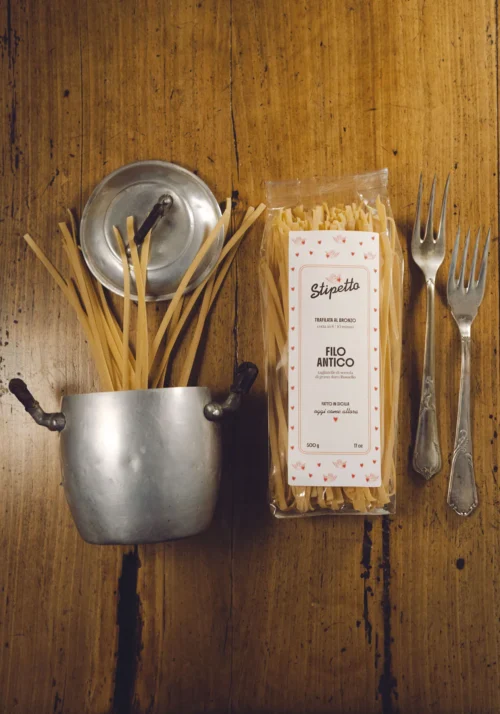
Artisan Tagliatelle made from Russello Wheat Bronze-drawn – Filo Antico – 500 gr
6,80 € -
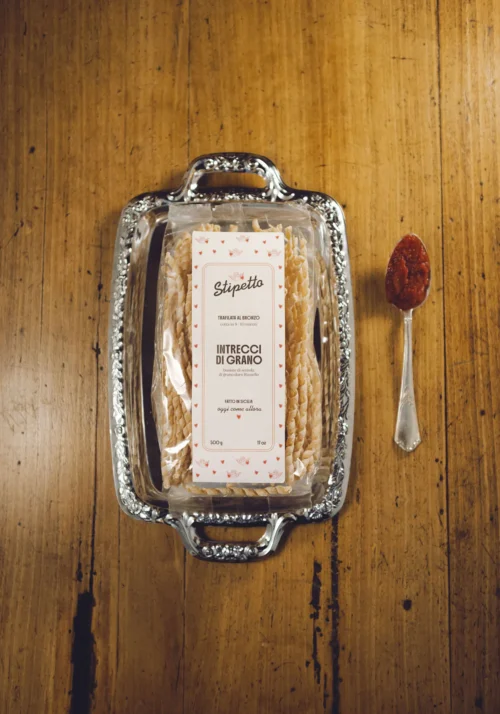
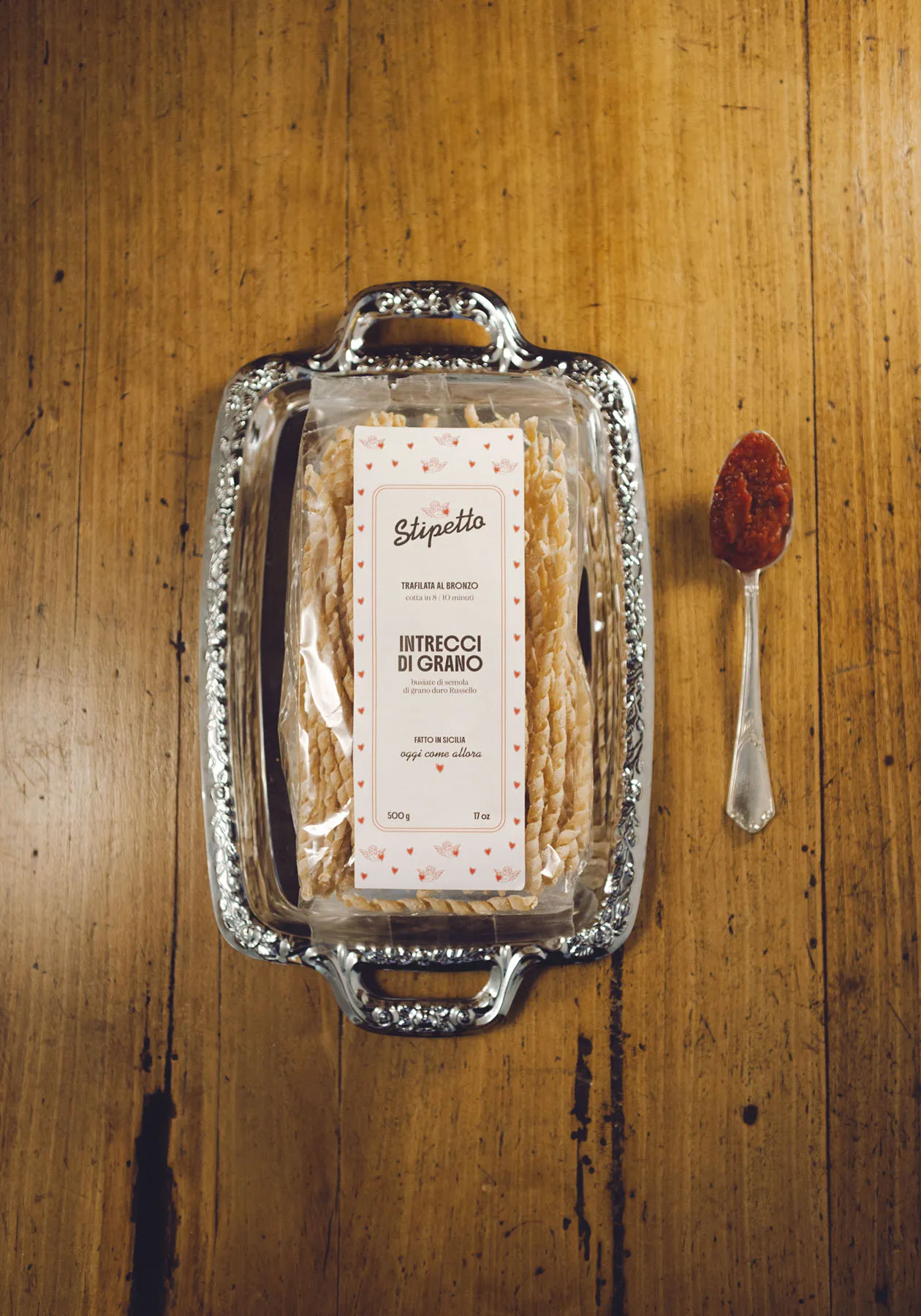
Artisan Busiate made from Russello Wheat Bronze-drawn – Intrecci di Grano – 500 gr
6,80 €
Why artisan pasta
Artisan pasta is one of the most authentic expressions of Italian culinary tradition. Unlike industrially produced pasta, artisan pasta is made using slower, more meticulous processes, which preserve the characteristics of the durum wheat semolina and result in a product with a more intense flavour and the perfect texture.
Artisan pasta is generally made using high-quality durum wheat semolina and water, without any additives or unnecessary ingredients. The traditional production method preserves the natural flavour of the wheat and creates a pasta that brings out the best in any sauce.
Bronze drawing and traditional production methods
One of the most appreciated features of artisanal pasta is bronze-die cutting. This production method uses bronze dies to shape the pasta, creating a slightly rough surface.
This texture allows the pasta to hold sauces and seasonings better, enhancing the dining experience and making every dish more flavourful.
Another distinctive feature is slow, low-temperature drying, a process that takes longer than industrial production but helps to preserve the pasta’s nutritional and flavour properties.
How to choose good artisan pasta
When choosing artisanal pasta, it is worth bearing a few key points in mind.
First and foremost, the quality of the durum wheat semolina, which has a direct impact on the taste and texture of the product. The production method and slow drying process are also key indicators of the pasta’s quality.
Good artisan pasta generally has the following characteristics:
- a rough surface
- a natural, slightly matt colour
- a texture that holds its shape well when cooked
These characteristics ensure that the pasta remains al dente and brings out the best in any sauce.
How to use artisan pasta in the kitchen
Artisan pasta is extremely versatile and lends itself to many traditional Italian recipes. Thanks to its ability to hold onto sauces, it is perfect for both simple dishes and more elaborate meals.
It is ideal for:
- tomato sauces and cherry tomatoes
- vegetable-based condiments
- recipes featuring fish or meat
- traditional Mediterranean dishes
Choosing artisan pasta means bringing to the table a product that combines tradition, quality and flavour, capable of transforming even the simplest recipes into dishes bursting with flavour.
Frequently asked questions about artisan pasta
What is meant by artisan pasta?
Artisan pasta is pasta produced using traditional methods, made from high-quality durum wheat semolina and water. Compared to industrial production, the process is slower and more meticulous, resulting in pasta with a better texture and a greater ability to hold onto sauces.
What is the difference between artisanal pasta and mass-produced pasta?
The main difference lies in the production methods. Artisanal pasta is produced in small batches, using bronze dies and slow drying at low temperatures. Industrial pasta, on the other hand, is made using faster processes that allow for large-scale production.
What does ‘bronze-drawn pasta’ mean?
Bronze drawing is a traditional method used to shape pasta. Bronze dies create a slightly rough surface that allows the pasta to hold sauces and seasonings better, enhancing the final result of the dish.
Why does artisan pasta hold sauce better?
Thanks to bronze drawing and traditional production methods, artisanal pasta has a rougher surface than industrial pasta. This characteristic allows sauces to cling better to the pasta, making every dish more flavourful.
What’s the best way to cook artisan pasta?
For best results, we recommend cooking the artisan pasta in plenty of salted water and following the recommended cooking times. Once drained, it can be tossed in a pan with the sauce to blend the flavours together.
See also
Our preserves and in oil, our cherry tomato products, our delicacies
Spediamo in Tutta Europa
We bring our flavours straight to your door, wherever you are.
Secure Payments
All transactions are secure. We guarantee privacy and peace of mind with every purchase.
Pre-and Post-Sales Support
Dedicated support before and after your purchase, to guide you through every stage of the order.
Guaranteed Quality
We select only the finest raw materials, grown and processed with artisanal care.
Unlock a 20% discount
Sign up for our newsletter and get a 20% discount code on your first purchase straight away. Don’t miss out!